How Many Peices of Are Should I Have for an Art Show
How to Go a First Show at an Art Gallery
What Galleries Wait for in Artists
Do yous e'er wonder how a gallery decides to give a new creative person a first testify? If yous're similar many artists, you probably think it's all most the art. You flit your oeuvre through a gallery's doors, the owner swoons, you lot become a testify. That's how information technology works, right? No, not actually. According to gallery owners, there's much more to getting a prove than that. Sure, they take to be impressed with your piece of work and similar it enough to want to prove it, but co-ordinate to them, that'southward only a commencement. Plenty of other puzzle pieces take to fall into place in gild for them to take you on (or fall out of place in order to kill the bargain).
Getting a beginning bear witness with a gallery is much more than an impersonal organisation between 2 independent entities where yous supply the art, they supply the wall space, and so you go on near your business while the gallery does all the rest. You and the gallery owner are virtually to enter into a business human relationship, a partnership of sorts, and hopefully one that will have a seriously positive impact on your career trajectory over fourth dimension. Whether you lot're enlightened of information technology or not, galleries always look to the time to come, at least the established ones exercise, the ideal outcome for them being mutually beneficial and constantly evolving long-term relationships with the artists whose art they choose to showroom.
At present this may not be the easiest article for some of you to read. It may fifty-fifty piss you off or dissuade yous from getting involved with galleries at all. Regardless, it'due south how things work in the gallery world. What yous're virtually to read comes straight from the mouths of gallery owners. This is well-nigh what they look for, what they desire, what they expect, and about what types of obligations are involved in any successful artist/gallery relationship.
So what practice galleries look for in improver to your art existence right for them when deciding whether or not to requite yous that all-important first show (and hopefully many more than to come)? Let'due south start with your life and career as an artist, not what you're up to today, but rather what you've been doing to this point, and what the prognosis might be every bit y'all wend your fashion down the artistic route. Gallery owners not only accept to like your art now, just they likewise take to evaluate your by accomplishments as well every bit practice their best to appraise your potential for growth and development in the futurity.
They know that the payoff is not necessarily immediate (first shows are not generally large moneymakers), and that if they're going to invest time, free energy, money, PR, and wall space in your art, they want to at least see some promise and potential for a successful ongoing extended relationship. In other words, they look for signs that yous're serious near your fine art, take some sense of an overall game plan, and are committed to existence an artist and showing your art for many years to come. There's hardly annihilation galleries hate more than to back artists who all of a sudden decide to exercise something else with their lives and poof off into the ether forever. Vanishing artists and 1-hit wonders never make a gallery look good.
Every bit for your work, dealers consistently describe their ideal artists with words like ambitious, original, risk-taking, assuming, inspiring, and so on. They want to hear your whole story, not just today'due south headlines, just where your journey is taking you, and what drives, motivates and inspires your creative process. Practise yous take more than one idea? Do y'all have a vision? Is that vision focused, well-defined and articulated? Are y'all breaking new footing, exploring new territory? Or are you rehashing the past, making the same several things over and over again, stagnating, or backing yourself into a corner?
Are you productive and serious nigh spending time in the studio? Most importantly, exercise you have a meaning body of current piece of work that is complete (or nearly complete), fresh, original and HAS NOT been shown or exhibited elsewhere, either at other galleries or online? Or if not, do you accept i in progress or are you capable of creating one by a certain date or borderline? Galleries practice their best to sift out artists who may be making good art today but seem unclear or uncertain about their futures.
And then OK. Enough about art and vision and commitment and all that lofty intangible stuff. Permit's talk business organization. But put, galleries prefer that the artists they piece of work with accept some knowledge of the business and more importantly, an appreciation of what a successful business concern partnership or relationship involves and how information technology tin can grow over time. Or if you're early in your career and don't really know much about how the biz works, they look you lot to at least express a willingness to acquire. Yous have to exist open up to that.
Accept qualities similar perseverance and endurance for example. As previously mentioned, gallery owners almost always look beyond the kickoff show. Optimally, they adopt to represent artists who they can potentially work with for years or even decades to come. They value artists who understand their part in the partnership and who realize that both parties must trust, cooperate and progress together, even in times of hardship or adversity, in society to maximize results. In other words, gallery owners actually really capeesh artists who understand and respect the relationship and are not difficult to piece of work with. To repeat... REALLY.
For example, accept reasonable expectations about what a beginning show means. It'south neither the answer nor the end, but rather the beginning, a single line on your resume, and only one minor step along what volition hopefully turn out to exist a rich and rewarding journeying. Let'southward say you have a first show and sales are pocket-size, but the overall response is skillful, and the gallery is pleased with how things went. The owners are likely aware that some artists will be encouraged by an outcome like this while others might get disappointed, angry, or depressed.
As a result, they practice their best to figure out in advance whether you lot're an artist who understands the bigger flick and are more likely to fall into the "encouraged" category than ane who's focused mainly on the moment and more probable to go negative if things plough out less than perfect the first time around (considering they oft practise). Just put, big-picture artists are more likely to get first shows than ones who lack a broader grasp of the time it takes for art careers develop and evolve.
Continuing with the critical questions a gallery attempts to respond when meeting with you... Do you love making fine art and are you enthusiastic about showing it in public regardless of how much or how little might sell? Are you OK with the commissions galleries take on sales? Are yous good with letting galleries selection the art they want to show and decide how to display it rather than you? Do yous like the direction the gallery is moving in? If you tin answer yes to questions like these and a gallery is impressed with your art equally well, you're more than than likely in. On the flip side, a gallery tries to avoid artists who view getting a show as a career motility above all else, who will say or do annihilation to get in, who expect the gallery to sell everything, who might blame the owner if not enough sells, or who don't seem to understand how much effort a gallery puts into each and every show they nowadays regardless of the outcome.
Hopefully you lot're flexible, excited about whatsoever opportunity to piece of work with a gallery, express an eagerness to cooperate, and view this as a joint venture rather than an adversarial relationship. Not only do yous take to demonstrate a serious concern for your art, only yous must also understand the importance of being professional person, disciplined, honest, and committed to the success of the gallery. Galleries need these assurances, peculiarly in the online age where it's relatively like shooting fish in a barrel for less-trustworthy artists to sell fine art on the side or otherwise go behind a gallery'south dorsum. Doing anything like that is not only a bang-up manner to cease a current relationship, but volition besides likely reduce your chances of getting other gallery shows moving forrad.
Galleries as well pay attention to how well the two of y'all get forth, not only in full general conversations nearly art, but more specifically, in hashing out the details of possible shows. Will y'all exist an artist who trusts the gallery to practise its chore, recognize how difficult the gallery intends to work on your behalf, and be willing to get forth with their advice or suggestions? Some artists remember they know better than galleries. Some experience the need to instruct dealers on how they expect to be treated or how to display their fine art. A few even go so far as to tell galleries how to run their businesses. If you would rather control the testify, and then consider opening your own infinite and showing your piece of work there. Galleries know their clienteles, know what's best for their businesses, and want to sell art just as desperately equally you lot do. Believe it.
On a more personal level, time and fourth dimension again gallery owners describe their ideal relationships with artists the same way people draw friendships. Personalities accept to friction match; everyone has to empathise as well as appreciate each other. Some of the questions gallery owners repeatedly ask themselves in these regards... Can I see myself condign friends with this person? Can we take dinner together, go places together, or savour the same activities? Practice we like each other? Practice we become along? Are conversations in synch and piece of cake to have? Do we respect each other's opinions and points of view? The answers to questions like these often decide whether an creative person gets a start show or keeps on looking. It's that unproblematic and no more complicated.
Experience also counts of form, especially with more established galleries. Artists who've been around the block a few times are more often than not easier to work with and have broader understandings of the ups and downs of the business. And then given the choice betwixt two artists, one with more feel and 1 with less, all else beingness equal, many galleries are inclined to go with experience. The well-nigh established galleries almost exclusively show artists with solid track records of career accomplishments and impressive resumes.
They pay attention to whether the art and artist take been critically written almost or recognized, whether they've exhibited at prestigious venues, what sort of awards or distinctions they've received, and fifty-fifty whether they have followings (online too every bit in real life) and how big those followings are. No matter how precocious, promising or impressive a younger artist might be, lack of an established track record may well present likewise much of a risk to some galleries. So know going in that if you lot approach major galleries with a minor resume and they plough you downward, it's not necessarily because they don't like or respect your art.
In endmost, continue in listen at all times that a gallery is non an entity that exists to serve you lot. Be assured that y'all will never evidence anywhere if that'due south the way yous think. Believe it or non, some artists actually dare galleries to show or sell their art, or worse all the same, swagger on in and ask, "What can yous exercise for me?" You know what galleries will do for artists similar these? Absolutely zilch except to prove them the door and thank them for stopping past. So avoid any attitude, understand that information technology's all about working in tandem, and hopefully the two of you will get exactly where y'all desire to become-- onward and upward together.
More pointers for artists looking for first shows:
* Be able to approach a gallery with a level of professionalism that is equal to that of the gallery, or equal to what the gallery is accustomed to. Notice out as much as you lot can about what a particular gallery typically expects from artists before approaching them in any way. You might fifty-fifty contact some of the artists the gallery shows or represents and enquire for pointers. Not all artists are willing to speak near this, so don't insist. If one says no, try another. Hopefully you'll observe someone generous who's willing to assist.
* Gallery owners expect you to be familiar with who they are, what they're near, what they correspond, and what types of art and artists they show at their galleries. This might even extend to an understanding of a gallery'south physical space, how they organize shows, what art they brandish where, what types of people who go there, and of any other relevant cultural, social, or political perspectives they embrace. And so be prepared to talk near them. Don't just first talking about yourself without whatsoever idea where you are, who you're talking to, why you're there, or what you desire other than for them to show your art. That's a bona fide not-starter.
* Be clear and straightforward when talking with galleries about your art. Avoid trying to impress from intellectual or academic perspectives. Describe your art in your own words rather than in art-speak. Believe it or not, galleries actually appreciate that (equally do their clienteles). They want to become a sense of how relatable and attainable you are when speaking about your art. Salve the complicated or scholarly explanations for later.
* Be flexible nigh pricing and willing to work with the galleries on this. But because you go a kickoff bear witness at a amend gallery than yous've ever shown at before doesn't mean you instantly double or triple your prices. Ane reason galleries give shows in the kickoff place is that they believe the artists' prices are fair or reasonable to begin with and that they tin sell the fine art at those levels. Bump your prices too high over what you're currently selling for and yous hazard selling zip. Exist aware that it'southward far better to sell everything at realistic prices than to sell little or nothing at overly aggressive prices. A sold out or nearly sold out show always looks not bad on a resume no thing what the art sold for.
* Let the gallery possessor be the guide in terms of selecting what to show, how to organize and present it, and other logistical details. They know the physical characteristics of their gallery well, what looks best where, and how to create a compelling presentation an artist's fine art. I reason they're giving you a show in the get-go identify is that they believe your fine art will look proficient in their space. They likely take a pretty skillful idea of how to effectively display and sell it as well.
* Don't make likewise many demands. That is e'er problematic, peculiarly early on in a human relationship. The illustration is almost like that of a new honey interest; you both want everything to go perfectly, and when problems or disagreements pop up early on, even minor ones, that may well betoken bigger troubles later, and no gallery owner wants whatsoever part of a potentially rocky relationship.
* Don't constantly telephone call or e-mail and ask to speak with the gallery owner or brand other miscellaneous requests. Make contact just when necessary, especially at the beginning of a relationship or if you're waiting to hear whether you're getting a show. The evidence either volition or will not happen, and you'll find out soon enough.
* Focus on what'due south right every bit opposed to you think might be incorrect. Don't stress over pocket-sized details. These kinds of behaviors can impairment or destroy budding relationships or worse withal, forbid new ones from always getting started.
* Two things never to say in an interview-- that you lot have a chip on your shoulder most galleries or are bitter nigh previous gallery experiences. Broaching either of those topics will surely reduce your chances of getting a first prove anywhere.
So there you become-- a crash class in the politics and obligations involved in working with with a gallery. Maybe showing at galleries is right for y'all; maybe not. Either fashion, at least you lot know what you're getting yourself into before yous go into it.
Are y'all ready to start contacting galleries or have yous already been contacting galleries without much success? I'm e'er await at your art and background info, and make recommendations on how to identify, arroyo and contact galleries you think might be interested in your art. We'll besides get over how to organize and present your art before you offset making contact. If y'all're interested in consulting on any attribute of showing at galleries or have any other questions about my services, please call 415.931.7875 or drib me an email at alanbamberger@me.com.
***
I'd like to thank the following gallery owners for their generous assistance and aid with this commodity: Robert Berman of Robert Berman Gallery, Los Angeles; Steven Wolf of Steven Wolf Fine Arts, San Francisco; Jack Hanley of Jack Hanley Gallery, New York; Brian Gross of Brian Gross Fine Art, San Francisco; Lisa Chadwick of Dolby Chadwick Gallery, San Francisco; Louis Stern of Louis Stern Fine Arts, Los Angeles; Catharine Clark of Catharine Clark Gallery, San Francisco; Darryl Smith of The Luggage Store, San Francisco; and art collector Robert Shimshak.
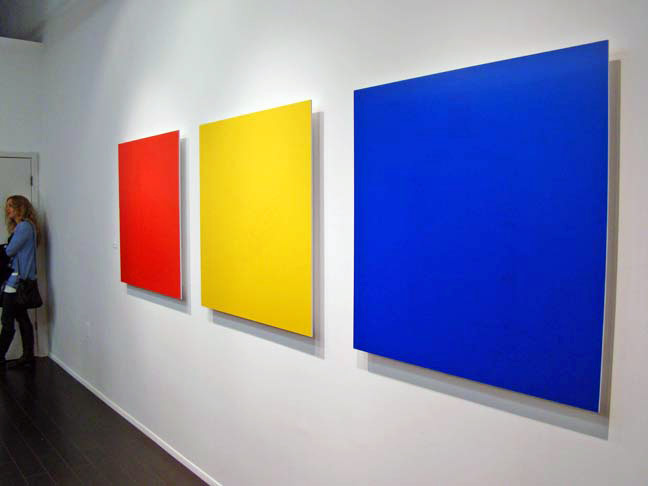
(art by Rebecca Goldfarb)
Source: https://www.artbusiness.com/how_to_show_your_art_at_a_gallery.html

Post a Comment for "How Many Peices of Are Should I Have for an Art Show"